
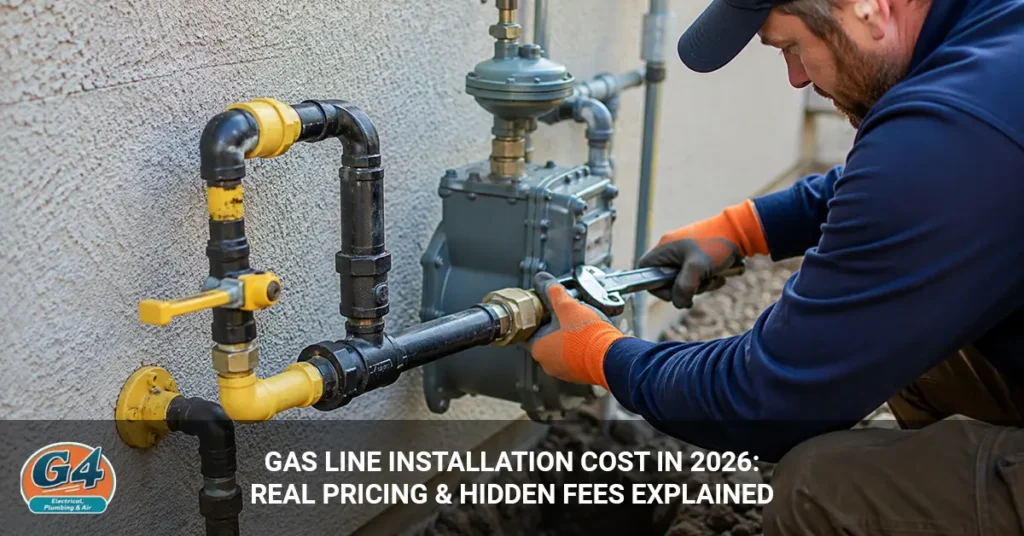
Gas line installation typically costs between $400 and $2,500, with most homeowners spending $800 to $1,800 for a standard residential project. Larger installations, underground gas lines, and whole-home gas piping projects can cost $5,000 or more, depending on the scope of the work.
Adding a gas line can make your home more functional and energy-efficient. It allows you to connect appliances such as gas stoves, dryers, water heaters, furnaces, fireplaces, outdoor grills, and standby generators. However, the final price isn’t based on the gas pipe alone. Factors such as pipe length, installation difficulty, permits, inspections, and labor rates can significantly affect the total cost.
Many homeowners are caught off guard by additional expenses that arise during installation. Permit fees, pressure testing, trenching, gas meter upgrades, and wall repairs can add hundreds or even thousands of dollars to the final bill. Understanding these costs before the project begins can help you plan your budget and avoid surprises.
The good news is that a professionally installed gas line can provide long-term value. It can improve appliance performance, offer a reliable fuel source, and make future home upgrades easier.
In this guide, you’ll learn how much gas line installation costs in 2026, what hidden fees to watch for, which factors have the biggest impact on pricing, and how to determine whether a gas line installation is worth the investment for your home.
How Much Does Gas Line Installation Cost in 2026?
Gas line installation costs between $400 and $2,500 for most residential projects, with the average homeowner spending $800 to $1,800. Larger projects, such as underground gas lines, whole-home gas piping systems, or long-distance gas line runs, can easily exceed $5,000.
The total cost depends on several factors, including the length of the gas line, the type of pipe being installed, the appliance being connected, accessibility, permit requirements, and local labor rates. A short gas line extension for a nearby appliance is usually much less expensive than installing a new gas line across the property or connecting multiple appliances.
In addition to materials and labor, homeowners may also need to budget for permits, inspections, pressure testing, trenching, and possible gas meter upgrades. These additional costs can significantly affect the final project price.
| Project Type | Average Cost |
| Short Gas Line Extension | $400–$900 |
| Appliance Gas Line Installation | $500–$1,500 |
| New Residential Gas Line | $800–$2,500 |
| Underground Gas Line | $1,500–$5,000+ |
| Whole-Home Gas Piping | $3,000–$10,000+ |
Short gas line extensions are generally the most affordable because they require fewer materials and less labor. On the other hand, underground installations and whole-house gas piping systems typically cost more because of excavation work, longer pipe runs, and additional safety requirements.
The quoted price often includes pipe materials, labor, pressure testing, and appliance connection. However, permit and inspection fees are sometimes billed separately, so it’s important to review estimates carefully before work begins.
How Much Does It Cost to Install a Gas Line?
Installing a gas line typically costs between $400 and $2,500, with most homeowners paying around $800 to $1,800 for a standard residential installation. The exact cost depends on the scope of the project and how difficult the installation is to complete.
Smaller jobs, such as running a gas line to a stove, dryer, or water heater, are usually on the lower end of the price range. Larger projects involving outdoor kitchens, fireplaces, pool heaters, or standby generators often cost more because they require longer gas lines and additional labor.
Local building codes, permit requirements, pipe material choices, and accessibility can also affect pricing. Because every home is different, obtaining estimates from licensed professionals is the best way to determine the actual cost of gas line installation for your specific project.
Labor Cost for Gas Line Installation
Labor is one of the largest expenses in a gas line installation project, with most homeowners paying between $50 and $150 per hour for professional installation. The total labor cost depends on the length of the gas line, installation difficulty, accessibility, local labor rates, permit requirements, and whether inspections or pressure testing are needed.
Because gas piping involves safety risks and strict building code requirements, most installations must be completed by a licensed professional. While labor costs can represent a significant portion of the total project price, professional installation helps ensure the system operates safely and meets local regulations.
Licensed Plumber Rates
Many residential gas line installations are performed by licensed plumbers. Most plumbers charge between $50 and $150 per hour, although rates may be higher in areas with a higher cost of living.
Some contractors charge a minimum service fee or provide flat-rate pricing for smaller gas line projects. The final labor cost usually depends on the complexity of the installation and the amount of time required to complete the work.
Gas Fitter Rates
In some locations, licensed gas fitters specialize in gas piping systems and appliance connections. Their hourly rates are generally similar to those of licensed plumbers and typically range from $50 to $150 per hour.
Gas fitters often handle more complex gas piping projects and may be required in areas with specific licensing regulations for gas line work.
Emergency Gas Line Services
Emergency gas line repairs and installations usually cost more than scheduled service appointments. If you need immediate assistance because of a gas leak, damaged gas pipe, or appliance issue, contractors often charge additional emergency service fees.
Homeowners can expect to pay an extra $100 to $500 for after-hours, weekend, holiday, or emergency gas line service.
Inspection and Testing Costs
Most gas line installations require pressure testing and safety inspections before the system can be placed into operation. These procedures help verify that the gas line is properly installed, leak-free, and compliant with local building codes.
Pressure testing and inspection costs typically add $50 to $300 to the overall project cost. In some cases, these services are included in the contractor’s estimate, while other companies list them as separate charges.
Although labor costs can increase the total price of a gas line installation, hiring a qualified professional is one of the most important steps in ensuring a safe, code-compliant, and reliable gas system for your home.
Hidden Costs That Can Increase Gas Line Installation Prices
Hidden costs can add hundreds or even thousands of dollars to a gas line installation project. While many homeowners focus on the cost of the pipe and labor, additional expenses such as permits, inspections, trenching, and repairs can significantly increase the final bill.
Understanding these potential costs before work begins can help you create a more accurate budget and avoid unexpected surprises during the installation process.
Permit Fees
Most gas line installations require permits and inspections to ensure the work meets local building codes and safety standards. Permit fees vary by location but typically range from $50 to $500.
Some contractors include permit costs in their estimates, while others charge them separately, so it’s important to ask what is included before signing a contract.
Gas Pressure Testing
Pressure testing is often required to verify that a gas line is properly installed and free of leaks. This safety procedure helps ensure the system can operate safely before gas service is activated.
Some contractors include pressure testing in their installation price, while others may charge an additional fee depending on local requirements.
Trenching Costs
Underground gas line installations often require trenching, which can significantly increase project costs. The price depends on the length of the trench, soil conditions, accessibility, and whether specialized equipment is needed.
Trenching typically adds between $300 and $2,500 or more to the total installation cost.
Drywall and Wall Repairs
When gas lines must be routed through finished walls, ceilings, or floors, some demolition and restoration work may be required. After the gas line is installed, drywall repair, patching, painting, or finishing work may be necessary.
These repairs are not always included in the contractor’s estimate and can add to the overall project cost.
Utility Marking Services
Before digging begins, underground utility lines must be identified and marked to prevent accidental damage. In many areas, utility locating services are provided at no cost, but certain situations may involve additional fees.
Failing to locate underground utilities can result in costly repairs and serious safety hazards.
Gas Meter Upgrades
Adding a large gas appliance such as a furnace, tankless water heater, pool heater, or standby generator may require upgrading the home’s gas meter or gas service capacity.
Gas meter upgrades can add several hundred dollars or more to the project, depending on utility company requirements and the amount of additional gas demand. Check our water heater installation cost guide to understand how appliance upgrades affect your overall budget.
Landscape Restoration
Underground gas line installations can disturb lawns, flower beds, irrigation systems, driveways, or other landscaping features. Once the gas line is installed, restoration work may be needed to return the property to its original condition.
The cost of landscape restoration varies widely based on the size of the affected area and the type of materials that need to be repaired or replaced.
Because these expenses are often overlooked during the planning stage, asking contractors for a detailed estimate can help identify potential hidden costs before the project begins.
Factors That Affect Gas Line Installation Cost
Several factors can affect the total cost of gas line installation, and two similar projects can have very different prices. The length of the gas line, pipe material, appliance requirements, installation difficulty, and local regulations all play a role in determining the final cost.
Understanding these factors can help you estimate your budget more accurately and compare contractor quotes with greater confidence.
Distance of the Gas Line Run
The distance between the gas source and the appliance is one of the biggest cost factors. Longer gas lines require more piping, fittings, supports, and labor, which increases the total project cost.
A short gas line extension inside a utility room will usually cost far less than running a gas line across the property to an outdoor kitchen or standby generator.
Gas Pipe Material
The type of gas pipe used affects both material and labor costs. Common options include black iron pipe, corrugated stainless steel tubing (CSST), copper piping in approved areas, and flexible gas connectors.
Some materials cost more upfront but may offer easier installation, greater durability, or better suitability for specific applications.
Appliance Requirements
Different appliances require different amounts of gas. Larger appliances such as furnaces, pool heaters, tankless water heaters, and standby generators often need larger gas lines to deliver sufficient fuel.
As gas demand increases, material costs and installation complexity may also increase.
Accessibility
Gas lines installed in easily accessible areas are generally less expensive than those routed through difficult locations. Running gas pipes through attics, crawl spaces, finished walls, ceilings, or tight areas often requires additional labor and can increase installation costs.
Projects involving limited access typically take longer to complete and may require additional repair work afterward.
Underground vs Above-Ground Installation
Underground gas line installations usually cost more than above-ground installations because trenching, excavation, backfilling, and site restoration are required.
Above-ground gas lines are often faster and less expensive to install when local codes and property conditions allow.
Local Building Codes
Building codes and permit requirements vary by location and can affect both installation methods and total costs. Some jurisdictions require specific pipe materials, pressure testing procedures, inspections, or safety upgrades.
Complying with local regulations helps ensure the installation is safe and legally approved but may increase project expenses.
Labor Rates in Your Area
Labor costs vary significantly by region and are often one of the largest components of a gas line installation project. Homeowners in major metropolitan areas generally pay higher labor rates than those in smaller cities or rural communities.
Getting estimates from multiple licensed contractors can help you understand local pricing and find the best value for your project.
Because every home and installation is different, the most accurate way to estimate gas line installation costs is to schedule an on-site evaluation with a qualified professional. They can assess your home’s layout, appliance requirements, and local code requirements before providing a detailed quote.
Do You Need a Permit to Install a Gas Line?
Yes, most gas line installations require a permit and inspection to ensure the work complies with local building codes and safety regulations. Because natural gas and propane systems can be hazardous if installed incorrectly, local authorities typically require permits before any new gas line, extension, or major modification can be completed.
Permit requirements vary by city, county, and state, but in most cases, homeowners cannot legally install or modify a gas line without approval from the local building department. Failing to obtain the proper permits can lead to costly problems later.
Why Permits Are Required
Permits are required to help ensure gas line installations are completed safely and according to current building codes. They provide oversight throughout the project and help verify that approved materials, proper installation methods, and safety procedures are being followed.
Most jurisdictions require permits for:
- New gas line installations
- Gas line extensions
- Gas appliance connections
- Gas pipe replacements
- Major gas system modifications
These requirements help protect homeowners, future buyers, and the surrounding community.
Inspection Process
After the gas line is installed, it typically must pass a pressure test and inspection before it can be placed into service. During the inspection, a building official or approved inspector checks the system for safety and code compliance.
The inspection generally includes:
- Leak testing
- Pipe sizing verification
- Material approval
- Connection inspections
- Code compliance review
Once the installation passes inspection, the gas utility company or contractor can activate the gas service if required.
Permit Costs
Permit fees typically range from $50 to $500, depending on the location, project size, and local regulations. Smaller appliance connections may require lower permit fees, while larger installations involving extensive piping may cost more.
Some contractors include permit costs in their estimates, while others list them as a separate item. Asking for a detailed quote can help prevent unexpected expenses.
Consequences of Unpermitted Work
Installing a gas line without the required permits can create serious legal, financial, and safety risks. Even if the installation appears to function properly, unpermitted work may cause problems when selling the home or filing an insurance claim.
Potential consequences include:
- Local code violations and fines
- Failed inspections during home sales
- Delays in real estate transactions
- Insurance claim disputes
- Safety hazards from improperly installed gas lines
- Costly corrective work to bring the installation up to code
Because of these risks, obtaining the proper permits and inspections is one of the most important steps in any gas line installation project. Learn more about electrical code violations in older homes to understand what happens when work doesn’t meet local standards.
For most homeowners, working with a licensed contractor who handles permits and inspections is the easiest way to ensure the installation is safe, code-compliant, and legally approved.
Is Gas Line Installation Worth the Cost?
For many homeowners, gas line installation is worth the cost because it provides a reliable fuel source, supports high-performance appliances, and may help reduce long-term energy expenses. While the upfront investment can range from a few hundred to several thousand dollars, the convenience and flexibility of having access to natural gas often make it a valuable home improvement.
Whether the investment makes sense depends on your home’s energy needs, the appliances you plan to use, and the cost of electricity in your area. For households that rely heavily on heating, cooking, or hot water, a gas line can provide both practical and financial benefits. See our guide on water heater problems and fixes if your current system is already struggling.
Lower Energy Costs
Natural gas is often less expensive than electricity for many household applications, including heating, water heating, cooking, and clothes drying. Because of this, homeowners who switch from electric appliances to gas-powered models may see lower monthly utility bills.
Actual savings vary by location and utility rates, but energy cost reductions are one of the most common reasons homeowners choose to install gas lines.
Reliable Fuel Supply
A dedicated gas line provides a continuous fuel source without the need to refill propane tanks or schedule fuel deliveries. This convenience is especially valuable for essential appliances such as furnaces, water heaters, and standby generators.
For many homeowners, having an uninterrupted fuel supply provides added peace of mind and reduces ongoing maintenance concerns.
Increased Home Value
Homes with natural gas service are often attractive to potential buyers, particularly in areas where gas appliances are popular. Features such as gas ranges, gas fireplaces, high-efficiency furnaces, tankless water heaters, and whole-home generators can make a property more appealing in the real estate market.
While a gas line installation may not guarantee a specific increase in home value, it can improve the home’s functionality and marketability.
Future Appliance Flexibility
Installing a gas line now can make future home upgrades easier and more affordable. Once gas service is available, homeowners have greater flexibility when choosing new appliances and home improvements.
Common upgrades that may benefit from an existing gas line include:
- Gas stoves and cooktops
- Tankless water heaters
- Gas furnaces
- Gas fireplaces
- Outdoor kitchens and grills
- Pool heaters
- Standby generators
Having gas infrastructure already in place can reduce installation costs for future projects and provide more options when replacing aging appliances.
For homeowners planning to stay in their home long-term, gas line installation can offer lasting benefits through energy savings, convenience, and expanded appliance choices.
Ways to Save Money on Gas Line Installation
You can reduce gas line installation costs by planning the project carefully, comparing contractor quotes, and minimizing labor whenever possible. While safety should always be the top priority, there are several ways to lower costs without sacrificing quality or code compliance.
Taking a strategic approach before work begins can help you avoid unnecessary expenses and get the best value from your investment.
Install Multiple Gas Appliances at Once
Installing gas lines for multiple appliances during the same project is often more cost-effective than completing separate installations over time. Because the contractor is already on-site and working with the gas system, combining projects can reduce labor costs and eliminate multiple service call fees.
This approach can be especially beneficial if you’re planning to add a gas stove, water heater, fireplace, or generator in the near future.
Compare Contractor Quotes
Getting estimates from multiple licensed contractors is one of the best ways to save money on gas line installation. Pricing, warranty coverage, labor charges, and included services can vary significantly between companies.
When reviewing quotes, make sure you’re comparing the same scope of work, including permits, inspections, pressure testing, and materials.
Plan the Shortest Gas Line Route
The longer the gas line, the higher the material and labor costs. Working with your contractor to identify the shortest safe route from the gas source to the appliance can help reduce the overall project cost.
A shorter gas line run may also reduce installation time and minimize disruptions to your home.
Schedule During Larger Renovations
Installing a gas line during a remodeling project, kitchen renovation, or home addition can often reduce labor expenses if you’re also planning a system upgrade. Review our HVAC replacement cost guide to bundle projects and save.
When walls, ceilings, or floors are already open, contractors can access installation areas more easily and complete the work faster.
Combining projects may help lower both labor and restoration costs.
Verify Permit Requirements Early
Understanding local permit and inspection requirements before work begins can help prevent unexpected delays and additional expenses. Permit fees, inspection schedules, and code requirements vary by location, so addressing these details early can make the project run more smoothly.
A licensed contractor can often assist with the permit process and help ensure all requirements are met before installation begins.
By planning ahead and working with qualified professionals, homeowners can often reduce gas line installation costs while still ensuring a safe, reliable, and code-compliant installation.
Frequently Asked Questions
How much does gas line installation cost?
Gas line installation typically costs between $400 and $2,500, with most homeowners spending $800 to $1,800 for a standard residential project. Larger installations, underground gas lines, and whole-home gas piping systems can exceed $5,000.
How much does a gas line cost per foot?
Gas line installation generally costs between $15 and $40 per linear foot, including materials and labor. Above-ground gas lines are usually less expensive, while underground installations cost more because trenching and restoration work are required.
Do I need a permit for a gas line?
Yes, most gas line installations require permits and inspections. Local building departments typically require permits to ensure the installation meets safety standards and building codes. Permit requirements vary by location, so it’s important to verify local regulations before starting the project.
Can I install a gas line myself?
Most homeowners should hire a licensed professional for gas line installation. Gas piping involves safety risks, pressure testing requirements, permit approvals, and building code compliance. Improper installation can lead to gas leaks, equipment damage, and serious safety hazards.
How long does gas line installation take?
Most residential gas line installations take anywhere from a few hours to two days. The timeline depends on the length of the gas line, installation complexity, permit requirements, accessibility, and whether trenching or wall modifications are needed.
What is the cheapest gas pipe material?
Black iron pipe is often one of the most affordable and widely accepted materials for residential gas line installations. It offers a good balance of durability, cost, and code compliance. However, the most cost-effective material for your project may depend on local regulations and installation requirements.
How much does it cost to run a gas line to a stove?
Running a gas line to a stove typically costs between $300 and $1,000. The final price depends on the distance from the gas supply, pipe material, accessibility, and whether permits or inspections are required.
How much does it cost to run a gas line for a generator?
Installing a gas line for a standby generator generally costs between $1,000 and $5,000 or more. Generators often require larger gas lines and longer pipe runs, which can significantly increase material and labor costs.
Final Thoughts
Gas line installation typically costs between $400 and $2,500, but the final price depends on factors such as the length of the gas line, pipe material, appliance requirements, labor costs, and local permit fees. Larger projects, including underground gas lines, whole-home gas piping systems, and generator connections, can cost considerably more.
When budgeting for a gas line installation, it’s important to account for more than just the pipe and labor. Permit fees, inspections, pressure testing, trenching, gas meter upgrades, and repair work can all add to the total project cost. Understanding these expenses in advance can help you avoid unexpected charges and make more informed decisions.
For many homeowners, gas line installation is a worthwhile investment because it provides a dependable fuel source for appliances such as stoves, water heaters, furnaces, fireplaces, outdoor grills, and standby generators. It can also improve convenience, support future home upgrades, and potentially reduce energy costs depending on local utility rates.
Before moving forward, obtain estimates from multiple licensed contractors and confirm what is included in each quote. A qualified professional can evaluate your home’s needs, explain permit requirements, and ensure the installation is completed safely and in compliance with local codes.
With proper planning and professional installation, a new gas line can provide reliable performance, added flexibility, and long-term value for your home.