
Your electrical panel is the main control center of your home’s electricity. It sends power to every outlet, light, and appliance in the house. Most homeowners don’t think about it very often because it usually works quietly in the background.
But electrical panels don’t last forever.
If your panel is more than a few decades old, it may no longer be able to handle the power demands of a modern home. Years ago, homes used far less electricity. Today, we rely on air conditioners, large kitchen appliances, computers, and many electronic devices every day.
When an electrical panel gets too old, it can struggle to keep up. This can lead to overheating, breaker problems, power interruptions, and even electrical fire risks.
Knowing the warning signs of an aging electrical panel can help you spot problems early and keep your home and family safe.
How Old Is Too Old for an Electrical Panel?
An electrical panel is usually considered too old when it is 25 to 40 years old. After this point, the system may struggle to handle the electrical demands of a modern home, so it’s wise to have it inspected by a licensed electrician.
Homes today use much more electricity than they did decades ago. Air conditioners, large refrigerators, washing machines, and home entertainment systems all require significant power. Older panels were not built to support this level of demand, which can lead to overloaded circuits and safety concerns.
Average Lifespan of Electrical Panels
Most electrical panels last about 25 to 40 years with normal use. Over time, heat, heavy electrical loads, and aging parts slowly wear the system down.
Breakers may become less reliable as they age. Wiring connections inside the panel can also loosen. When this happens, the panel may not protect your home as effectively as it should.
Why Older Panels Struggle with Modern Electricity
Older electrical panels struggle because they were designed for homes that used far less electricity. Many houses built decades ago were equipped with 60-amp or 100-amp service, which was enough at the time.
Today, most homes need 150 to 200 amps to safely power modern appliances, electronics, and heating or cooling systems. When an old panel tries to support these loads, it can become overloaded.
When a Panel Should Be Replaced
You should consider replacing your electrical panel if it frequently trips breakers, shows signs of corrosion, or is more than 30 years old. These are common signs that the panel is no longer operating safely.
A newer panel can handle higher electrical loads, reduce the risk of electrical problems, and provide better protection for your home’s wiring and appliances.
Warning Signs Your Electrical Panel Is Too Old
Your electrical panel may be too old if you notice frequent electrical problems or unusual signs around the panel. These issues often mean the panel is struggling to handle the electricity your home uses every day.
Older panels were not designed for modern power demands. When they start to wear out or become overloaded, they usually show clear warning signs. Common signs include:
- Circuit breakers that trip often: This usually means the system is overloaded or the breakers are wearing out.
- Lights that flicker or dim: This can happen when the panel cannot provide steady power.
- A burning smell near the panel: A burning smell near the panel may indicate overheated wires or damaged electrical components. In some cases, homeowners may also notice a burning smell from an outlet, which can signal overheating wiring behind the wall.
- Breakers that feel warm or hot: Electrical parts should not feel hot to the touch. Heat can signal a serious issue.
- Rust or corrosion on the panel box: Moisture and corrosion can damage electrical connections inside the panel.
- Buzzing or crackling sounds: Electrical panels should operate quietly. Strange noises may mean loose wiring or failing breakers.
- Power issues in several rooms: If outlets or lights stop working in different areas, the panel may not be distributing electricity properly.
If you notice any of these signs, it’s a good idea to have a licensed electrician inspect the panel. Fixing the problem early can help prevent bigger electrical hazards in your home.
Hidden Dangers of an Outdated Electrical Panel
An outdated electrical panel can create serious safety risks in your home. When a panel gets old, its components can wear out and struggle to handle modern electrical demands. If these problems are ignored, they can lead to dangerous situations such as overheating, power failures, or electrical fires.
Understanding the risks can help homeowners take action before a small problem turns into a major safety issue.
Increased Risk of Electrical Fires
An old electrical panel can increase the risk of electrical fires because it may fail to shut off overloaded circuits. When breakers don’t trip properly, electricity continues to flow through the wires.
This extra load can cause wiring to overheat. Over time, overheated wires can damage insulation and create a serious fire hazard inside the walls.
Inability to Support Modern Appliances
Outdated panels often cannot handle the power needs of modern appliances. Today’s homes rely on high-powered equipment like HVAC systems, electric ovens, dryers, and electric vehicle chargers.
When an old panel tries to support these devices, circuits can easily become overloaded. This can lead to frequent breaker trips, power fluctuations, and electrical stress on the system.
Insurance and Safety Issues
Some insurance companies consider older electrical panels a safety concern. Panels with known safety problems or outdated designs may increase the risk of electrical damage.
In some cases, homeowners may face higher insurance premiums. Certain insurers may even require a panel upgrade before providing or renewing coverage.
Limited Electrical Capacity
Older electrical panels usually provide 60 or 100 amps of service, which was enough for homes built decades ago. Modern homes typically require around 200 amps to safely run appliances, lighting, and electronics.
When a home’s electrical demand exceeds the panel’s capacity, the system becomes overloaded. Learning the signs that your electrical panel is overloaded can help you identify problems before they become serious safety hazards. Upgrading the panel can help ensure your home has the power it needs to operate safely and efficiently.
Old Electrical Panels Known for Safety Problems
Some older electrical panels are known to have serious safety issues and are often recommended for replacement by electricians. These panels may fail to shut off power during an overload, which can increase the risk of overheating or electrical fires.
If your home still has one of these panels installed, it is a good idea to have it inspected by a licensed electrician.
Federal Pacific Electric (FPE) Panels
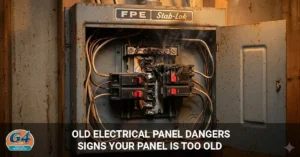
Federal Pacific Electric panels are considered unsafe because their breakers may fail to trip during an overload. These panels were commonly installed in homes between the 1950s and 1980s.
When a breaker does not trip as it should, electricity continues flowing through the circuit. This can cause wires to overheat and significantly increase the risk of an electrical fire.
Zinsco Electrical Panels
Zinsco panels are known for breaker failures and overheating problems. In some cases, the breakers inside these panels may stop working properly.
Some homeowners have reported that Zinsco breakers can melt or become fused to the panel. When this happens, the breaker cannot shut off power during a fault, which creates a serious safety hazard.
Fuse Boxes in Older Homes
Fuse boxes are an outdated type of electrical system used before modern breaker panels became common. While some fuse boxes may still work, they were not designed to handle today’s electrical demands.
Modern homes use far more electricity than homes did decades ago. Because of this, fuse boxes can easily become overloaded. Upgrading to a modern circuit breaker panel can improve both safety and reliability.
How Electricians Inspect an Aging Electrical Panel
Electricians inspect an aging electrical panel by checking its safety, performance, and ability to handle your home’s electrical demand. A professional inspection helps identify worn parts, overloaded circuits, and potential fire risks before they become serious problems.
If you think your panel may be outdated, a licensed electrician can carefully examine the system and recommend whether repairs or a full replacement are needed.
Check Breaker Performance
Electricians start by testing the breakers to make sure they trip properly during an overload. Circuit breakers are designed to shut off power when too much electricity flows through a circuit.
If a breaker fails to trip when it should, the wiring can overheat and create a fire hazard. Testing ensures each breaker is working correctly.
Inspect Wiring Connections
Electricians also inspect the wiring connections inside the panel. Over time, connections can become loose or damaged due to heat and electrical use.
Loose wiring can cause sparks, overheating, and unstable power throughout the home. Tight and secure connections are essential for safe electrical operation.
Measure Electrical Load
Another important step is measuring the electrical load of the home. Electricians calculate how much electricity your home uses and compare it with the panel’s capacity.
If the demand is higher than the panel can safely handle, the electrician may recommend upgrading to a higher-capacity panel.
Look for Damage or Corrosion
Finally, electricians check the panel for visible signs of damage or wear. This includes rust, burn marks, melted insulation, or signs of overheating.
These warning signs may indicate serious electrical problems and often mean the panel should be repaired or replaced.
When You Should Replace Your Electrical Panel
You should replace your electrical panel when it can no longer safely handle your home’s electrical demand. An outdated or overloaded panel can lead to frequent electrical problems and increase safety risks.
There are several situations where upgrading your panel becomes necessary.
Your Home Still Uses a Fuse Box
You should replace your panel if your home still uses a fuse box instead of modern circuit breakers. Fuse boxes are an older type of electrical system and do not provide the same level of protection as today’s breaker panels.
Modern breaker panels shut off power quickly when circuits overload, which helps prevent electrical damage and fire hazards.
The Panel Is More Than 30–40 Years Old
An electrical panel should usually be replaced when it is more than 30 to 40 years old. Even if it appears to work, the internal components may be worn out.
Over time, breakers, wiring connections, and internal parts can become less reliable, which increases the risk of electrical problems.
You Are Adding New Appliances
You may need a panel upgrade if you are installing large appliances or adding high-powered equipment. Devices like HVAC systems, electric ovens, dryers, and electric vehicle chargers require more electricity.
An older panel may not have enough capacity to support these appliances safely.
You Are Remodeling Your Home
Electrical upgrades are often necessary when remodeling or expanding your home. New rooms, additional outlets, and upgraded appliances increase the overall electrical demand.
Upgrading the panel during a renovation ensures your home has the power capacity needed for modern living.
Benefits of Upgrading an Old Electrical Panel
Upgrading an old electrical panel improves safety, increases power capacity, and makes your home’s electrical system more reliable. A modern panel is built to handle today’s electrical demands and provides better protection for your home.
Here are some of the key benefits homeowners can expect.
Improved Safety
A new electrical panel improves safety by providing better circuit protection. Modern breaker panels are designed to quickly shut off power when a circuit becomes overloaded.
This helps prevent overheating, damaged wiring, and electrical fires, making your home much safer.
Higher Power Capacity
An upgraded panel can handle the higher electrical demand of modern homes. Today’s homes use more electricity for appliances, electronics, and heating or cooling systems.
A larger panel, such as a 200-amp service, provides the capacity needed to power these devices safely.
Better Electrical Reliability
A modern panel helps keep your home’s electricity running smoothly. Older panels often struggle to distribute power evenly, which can lead to breaker trips or power fluctuations.
Upgrading the panel helps reduce these issues and ensures a steady supply of electricity throughout the home.
Increased Home Value
An upgraded electrical panel can increase the value and appeal of your home. Many buyers look for homes with updated electrical systems because they know the system will be safer and more reliable.
A newer panel can also help a home pass inspections more easily during the selling process.
How Much Does It Cost to Replace an Electrical Panel?
Replacing an electrical panel typically costs between $1,500 and $4,000, depending on the size of the panel and the complexity of the installation. The exact price can vary based on your home’s electrical setup and the upgrades required.
Several factors can affect the total cost of the project.
- Panel size: Larger panels cost more to install. For example, upgrading from a 100-amp panel to a 200-amp panel usually increases the price because the system can handle more electrical load.
- Labor and installation complexity: If the panel is difficult to access or requires additional electrical work, the labor cost may be higher.
- Wiring upgrades: Some homes need wiring improvements to support the new panel. Updating old wiring can add to the overall cost but improves safety.
- Local permits and inspections: Most panel replacements require permits and inspections from local authorities. These fees can vary depending on the location.
While the cost may seem significant, upgrading an old electrical panel improves safety, supports modern appliances, and helps prevent future electrical problems.
Tips to Maintain Your Electrical Panel
Maintaining your electrical panel helps keep your home’s electrical system safe and running smoothly. Even a newer panel needs basic care to prevent overloads, electrical damage, and unexpected power problems.
Simple maintenance habits can help extend the life of your electrical system.
Avoid Overloading Circuits
Avoid overloading circuits by spreading electrical devices across different outlets and circuits. Plugging too many high-power appliances into the same circuit can cause breakers to trip or wires to overheat.
Try to distribute large appliances like microwaves, heaters, and air conditioners across separate circuits whenever possible.
Schedule Electrical Inspections
Regular electrical inspections help identify problems before they become serious safety hazards. A licensed electrician can check the panel, breakers, and wiring to make sure everything is working properly.
Routine inspections are especially important for older homes or homes with high electrical usage.
Upgrade Old Wiring
Upgrading old wiring improves safety and helps your electrical system support modern appliances. Older wiring may not meet today’s electrical standards and can struggle with higher electrical loads.
Replacing outdated wiring can reduce the risk of overheating and power issues.
Install Surge Protection
Installing whole-home surge protection helps protect your appliances and electronics from sudden power surges. Surges can occur during storms, power outages, or utility issues.
A surge protection system installed at the electrical panel helps shield important devices like computers, TVs, and smart home equipment.
Final Thought
An old electrical panel may seem like a minor issue, but it can create serious safety risks in your home. As electrical systems age, they become less reliable and may struggle to handle the power needs of modern appliances and devices.
If your panel is more than 30 years old or showing warning signs, it’s best to have it inspected by a licensed electrician. A professional can check whether the panel is still safe or if it needs to be replaced. Upgrading to a modern electrical panel helps improve safety, prevent electrical problems, and ensure your home has a reliable power system for the future.