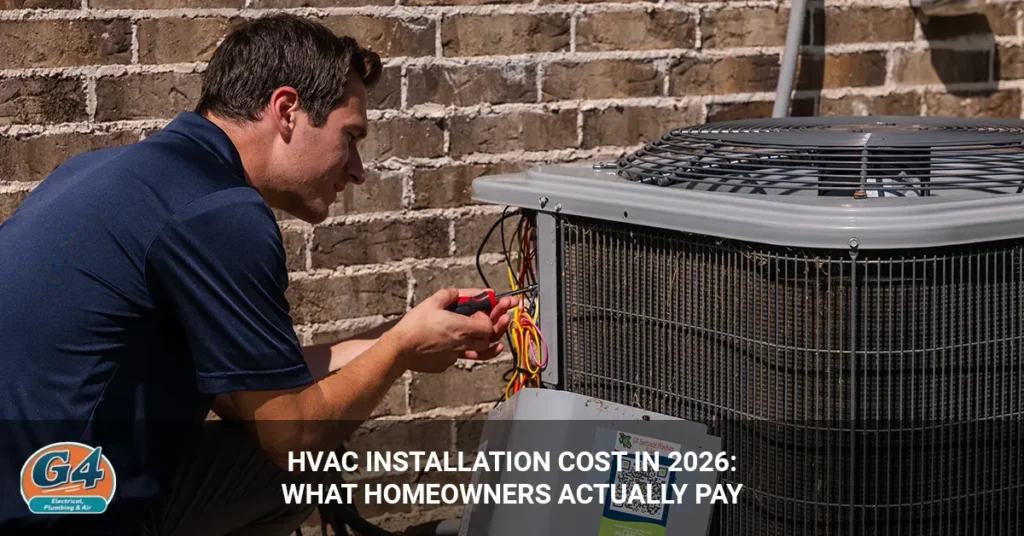
HVAC installation costs typically range from $5,000 to $15,000, with most homeowners paying $8,000 to $12,000 for a complete heating and cooling system replacement. The final price depends on the type of HVAC system, the size of your home, equipment efficiency, ductwork condition, and local labor costs.
A new HVAC system is one of the largest investments homeowners make, but it’s also one of the most important. Your heating and cooling system affects your comfort every day, influences your energy bills, and plays a major role in your home’s overall efficiency.
If your current system is struggling to keep up, requires frequent repairs, or is more than 10 to 15 years old, replacing it may save money in the long run. Modern HVAC systems are more energy efficient, quieter, and better at maintaining consistent temperatures throughout the home.
The total installation cost can vary significantly from one home to another. A straightforward replacement using existing ductwork will usually cost less than a project that requires new ducts, electrical upgrades, zoning controls, or high-efficiency equipment.
While the upfront investment may seem substantial, a properly sized and professionally installed HVAC system can provide years of reliable performance, lower utility bills, improved indoor comfort, and fewer repair expenses.
In this guide, you’ll learn what homeowners are paying for HVAC installation in 2026, which factors have the biggest impact on cost, and how to choose the right system for your home and budget.
How Much Does HVAC Installation Cost in 2026?
HVAC installation costs between $5,000 and $15,000 for most homeowners, with the average project typically falling between $8,000 and $12,000. Smaller homes with basic systems often cost less, while larger homes, premium equipment, and installations that require new ductwork can exceed $20,000.
The total cost of HVAC installation includes the heating and cooling equipment, labor, installation materials, system testing, and permit fees. Depending on the home’s existing infrastructure, additional costs may apply for electrical upgrades, ductwork repairs, zoning controls, or smart thermostat integration.
One of the biggest factors affecting price is the type of HVAC system you choose. Standard systems generally have lower upfront costs, while high-efficiency and advanced systems require a larger investment but can help reduce long-term energy expenses.
| HVAC System Type | Average Installed Cost |
| Central AC + Furnace | $6,000–$14,000 |
| Heat Pump System | $7,000–$16,000 |
| Ductless Mini-Split | $3,500–$15,000 |
| High-Efficiency HVAC System | $10,000–$20,000+ |
| Dual-Fuel HVAC System | $9,000–$18,000 |
Higher-efficiency HVAC systems generally cost more upfront because of advanced technology and improved performance. However, many homeowners recover part of that investment through lower utility bills and available energy-efficiency incentives.
HVAC Installation Cost by System Type
The type of HVAC system you choose is one of the biggest factors affecting installation costs. Some systems cost less upfront, while others offer better energy efficiency, lower operating costs, and greater long-term savings.
The best HVAC system for your home depends on factors such as square footage, local climate, existing ductwork, comfort preferences, and budget. Understanding the cost of each system type can help you choose the right option for your needs.
| System Type | Average Installed Cost |
| Furnace + AC | $6,000–$14,000 |
| Heat Pump | $7,000–$16,000 |
| Mini-Split | $3,500–$15,000 |
| Dual-Fuel | $9,000–$18,000 |
| High-Efficiency HVAC | $10,000–$20,000+ |
Central Air Conditioner and Furnace Cost
A central air conditioner and furnace system typically costs between $6,000 and $14,000 to install. This is the most common HVAC setup in many homes because it provides dependable heating in winter and efficient cooling during summer.
The final price depends on the size of the equipment, efficiency ratings, and whether existing ductwork can be reused. Homeowners often choose this option because it offers a good balance between upfront cost, performance, and long-term reliability.
Heat Pump Installation Cost
Heat pump installation typically costs between $7,000 and $16,000. Heat pumps provide both heating and cooling from a single system, making them one of the most energy-efficient HVAC options available.
They work especially well in moderate climates and can significantly reduce energy consumption compared to traditional heating systems. While the upfront cost is often higher than a standard furnace and air conditioner, many homeowners offset the investment through lower utility bills.
Ductless Mini-Split Installation Cost
Ductless mini-split installation usually costs between $3,500 and $15,000, depending on the number of indoor units required. These systems are ideal for homes without existing ductwork, room additions, garages, and spaces where individual temperature control is important.
Because mini-splits do not rely on ducts, they can improve efficiency and reduce energy loss. Single-zone systems are generally more affordable, while multi-zone systems cost more due to additional indoor units and installation complexity. Visit our full ductless mini-split installation cost guide for a detailed breakdown.
Dual-Fuel System Cost
A dual-fuel HVAC system typically costs between $9,000 and $18,000 to install. This system combines a heat pump with a gas furnace and automatically switches between the two energy sources based on outdoor temperatures.
Many homeowners choose dual-fuel systems because they provide excellent efficiency while maintaining strong heating performance during colder weather. Although the upfront cost is higher, the potential energy savings can make them a worthwhile investment over time.
High-Efficiency HVAC System Cost
High-efficiency HVAC systems generally cost between $10,000 and $20,000 or more. These systems use advanced technology to reduce energy consumption, improve comfort, and deliver more precise temperature control.
While they require a larger initial investment, high-efficiency systems can lower monthly utility bills and may qualify for rebates or tax incentives. For homeowners planning to stay in their home for many years, the long-term savings often help offset the higher installation cost.
HVAC Installation Cost by Home Size
Home size is one of the biggest factors affecting HVAC installation costs because larger homes need larger systems and more heating and cooling capacity. In general, the more square footage your home has, the more you can expect to spend on equipment and installation.
Choosing the right system size is critical. An undersized system may struggle to keep your home comfortable, while an oversized system can waste energy and increase wear and tear. A professional load calculation helps ensure your HVAC system is properly matched to your home’s needs.
| Home Size | Average Cost |
| 1,000–1,500 Sq Ft | $5,000–$8,500 |
| 1,500–2,000 Sq Ft | $6,500–$11,000 |
| 2,000–3,000 Sq Ft | $8,000–$15,000 |
| 3,000+ Sq Ft | $12,000–$25,000+ |
1,000–1,500 Sq Ft Homes
Installing an HVAC system in a home between 1,000 and 1,500 square feet typically costs $5,000 to $8,500. These homes usually require smaller equipment, which helps keep both material and installation costs lower.
In many cases, a smaller system can efficiently heat and cool the entire home while maintaining lower energy consumption.
1,500–2,000 Sq Ft Homes
HVAC installation for a 1,500 to 2,000 square foot home generally costs between $6,500 and $11,000. This is one of the most common home sizes, and the final price often depends on the type of system selected and its efficiency rating.
Homeowners in this range typically have several options, including traditional furnace and air conditioner systems, heat pumps, and high-efficiency models.
2,000–3,000 Sq Ft Homes
Homes between 2,000 and 3,000 square feet usually require larger HVAC systems, resulting in installation costs between $8,000 and $15,000.
Because these homes need greater heating and cooling capacity, equipment costs are generally higher. Additional ductwork modifications or zoning controls may also increase the overall project cost.
3,000+ Sq Ft Homes
Installing an HVAC system in a home larger than 3,000 square feet typically costs $12,000 to $25,000 or more. Large homes often require higher-capacity equipment, multiple HVAC zones, or even separate systems for different areas of the house.
While installation costs are higher, properly sizing the system is essential for maintaining comfort, efficiency, and consistent temperatures throughout the home.
Although square footage is an important starting point, it’s not the only factor that determines HVAC sizing. Insulation quality, ceiling height, window efficiency, sun exposure, and local climate all play a role in determining the right system and the final installation cost.
HVAC Installation Cost by Unit Size
HVAC installation costs increase as system size increases because larger units require more powerful equipment and often involve higher material and labor costs. Most residential HVAC systems are sized in tons, which measure cooling capacity rather than the physical weight of the unit.
Choosing the correct size is one of the most important parts of an HVAC installation. A system that’s too small may struggle to keep your home comfortable, while an oversized system can cycle on and off too frequently, reducing efficiency and increasing wear on the equipment.
| Unit Size | Average Installed Cost |
| 1.5 Ton | $5,000–$8,000 |
| 2 Ton | $5,500–$9,000 |
| 3 Ton | $6,500–$11,000 |
| 4 Ton | $8,000–$13,000 |
| 5 Ton | $10,000–$16,000+ |
The right HVAC size depends on factors such as home size, insulation levels, ceiling height, window efficiency, local climate, and overall cooling demand. A professional load calculation is the most accurate way to determine the correct system size.
1.5-Ton HVAC System Cost
A 1.5-ton HVAC system typically costs between $5,000 and $8,000 to install. These systems are commonly used in smaller homes, apartments, condos, and other spaces with lower heating and cooling demands.
Because they require less equipment capacity, 1.5-ton systems are usually among the most affordable HVAC installations.
2-Ton HVAC System Cost
A 2-ton HVAC system generally costs between $5,500 and $9,000 installed. This size is often a good fit for smaller to mid-sized homes with moderate cooling requirements.
Many homeowners choose a 2-ton system because it provides a balance between performance, efficiency, and installation cost.
3-Ton HVAC System Cost
A 3-ton HVAC system typically costs between $6,500 and $11,000. This is one of the most common residential HVAC sizes and is suitable for many average-sized homes.
The popularity of 3-ton systems means homeowners often have a wide range of equipment options, efficiency levels, and pricing choices.
4-Ton HVAC System Cost
A 4-ton HVAC system usually costs between $8,000 and $13,000 installed. These systems are commonly used in larger homes that require greater cooling capacity to maintain comfortable indoor temperatures.
The higher equipment capacity increases both the unit price and installation costs compared to smaller systems.
5-Ton HVAC System Cost
A 5-ton HVAC system typically costs between $10,000 and $16,000 or more. These systems are designed for large homes, properties with high cooling demands, or homes located in particularly warm climates.
Because of their size and capacity, 5-ton systems often require more extensive installation work and may involve upgrades to ductwork, electrical systems, or airflow management.
While larger HVAC systems cost more upfront, the goal is not to install the biggest unit possible. The best HVAC system is one that is properly sized for your home’s specific heating and cooling needs, ensuring maximum comfort, efficiency, and long-term performance.
Labor Cost for HVAC Installation
Labor typically accounts for 30% to 50% of the total HVAC installation cost, with most homeowners spending between $1,500 and $5,000 on labor alone. The exact amount depends on the type of HVAC system, installation difficulty, local labor rates, and whether additional work is required.
Professional HVAC installation involves much more than simply replacing equipment. Technicians must remove old components, install and connect new equipment, make electrical and refrigerant connections, test the system, verify airflow, and ensure everything operates safely and efficiently.
A properly installed HVAC system can improve comfort, maximize energy efficiency, and help prevent costly issues later, making professional installation an important part of the overall investment.
HVAC Contractor Rates
Most HVAC contractors charge between $75 and $150 per hour, although some companies offer flat-rate pricing for complete installations. Labor rates vary based on location, contractor experience, licensing requirements, and the complexity of the project.
Homeowners in larger metropolitan areas often pay higher labor rates than those in smaller cities or rural communities.
Installation Complexity
The complexity of the installation has a major impact on labor costs. A straightforward HVAC replacement using existing equipment locations and ductwork typically requires less labor than a project involving major modifications.
Labor costs often increase when the installation includes:
- New ductwork
- Ductwork replacement or redesign
- Electrical upgrades
- Zoning systems
- Heat pump conversions
- Equipment relocation
- Smart thermostat integration
The more time and expertise required, the higher the labor portion of the project will be.
New Construction vs Replacement
HVAC installation in a newly constructed home is often more labor-intensive because technicians must design and install the entire heating and cooling system from the ground up. This frequently includes ductwork installation, equipment placement, ventilation planning, and system design.
Replacement projects are often less expensive because existing infrastructure can sometimes be reused. If the current ductwork, electrical system, and equipment locations are in good condition, installation can usually be completed more efficiently.
Permit and Inspection Costs
Most HVAC installations require permits and inspections to ensure the system meets local building codes and safety requirements. These permits help verify that the equipment is installed correctly and operating safely.
Permit and inspection costs typically range from $100 to $1,000, depending on local regulations and the scope of the project. Some HVAC contractors include these costs in their estimates, while others list them as separate charges.
Because labor represents a significant portion of HVAC installation costs, obtaining multiple quotes from licensed contractors can help you compare pricing, understand what’s included, and find the best value for your project.
HVAC Installation Cost With Existing Ductwork
Using existing ductwork can significantly lower HVAC installation costs. If your current ducts are in good condition and properly sized for the new system, you may save thousands of dollars compared to a project that requires complete duct replacement.
Most homeowners pay between $5,000 and $12,000 for HVAC installation when existing ductwork can be reused. The final cost depends on the type of HVAC system being installed, equipment efficiency, and whether any duct repairs or modifications are needed.
Reusing ductwork can make the installation process faster and more affordable, but it’s important to verify that the ducts are still capable of delivering efficient airflow throughout the home.
When Existing Ductwork Can Be Reused
Existing ductwork can often be reused if it is structurally sound, properly sealed, adequately insulated, and correctly sized for the new HVAC system. In many homes, the duct system lasts longer than the heating and cooling equipment itself.
Before installation begins, a professional HVAC contractor should inspect the ductwork for air leaks, damaged sections, poor airflow, insulation issues, and sizing problems. Reusing damaged or improperly sized ducts can reduce efficiency and limit the performance of the new system.
Duct Repairs and Modifications
Even when ductwork is reusable, some repairs or upgrades may still be necessary. Small air leaks, loose connections, crushed ducts, and airflow restrictions can often be corrected without replacing the entire system.
Common duct improvements include sealing leaks, replacing damaged sections, improving insulation, and balancing airflow between rooms. These upgrades can help maximize comfort and energy efficiency.
Duct repairs and modifications typically add $200 to $2,000 to the overall HVAC installation cost, depending on the extent of the work required.
Duct Inspection Costs
A professional duct inspection usually costs between $150 and $500. This inspection helps determine whether the existing ductwork is suitable for the new HVAC system and identifies any issues that should be addressed before installation.
While an inspection adds a small upfront cost, it can help prevent performance problems, energy waste, and unexpected expenses later. For many homeowners, it’s a worthwhile step when investing in a new HVAC system.
If your ductwork is in good condition, reusing it can be one of the most effective ways to reduce HVAC installation costs while still achieving reliable comfort and energy-efficient performance.
HVAC Installation Cost With New Ductwork
Adding new ductwork can increase HVAC installation costs by $3,000 to $8,000 or more, depending on the size of the home and the complexity of the duct system. Homes without existing ductwork, older homes with failing ducts, or properties undergoing major renovations often require new ducts as part of the HVAC installation project.
While new ductwork adds to the upfront cost, it can have a major impact on system performance. Properly designed and installed ducts help deliver conditioned air more efficiently, improve comfort throughout the home, and reduce energy waste. Learn how duct leaks increase energy bills and why addressing them matters.
Most homeowners view new ductwork as a long-term investment because it allows the HVAC system to operate at its full potential.
New Ductwork Cost
New ductwork installation typically costs between $3,000 and $8,000, although large homes and complex layouts can push costs beyond this range. The final price depends on factors such as square footage, duct material, accessibility, and the number of supply and return vents required.
Installing ductwork in a newly constructed home is often less expensive than retrofitting ducts into an existing home, where walls, ceilings, and other finished areas may need to be modified.
Duct Design and Sizing
Proper duct design is critical for HVAC efficiency and overall comfort. Even the most efficient heating and cooling equipment cannot perform properly if the duct system is incorrectly designed.
Undersized ducts can restrict airflow and force the HVAC system to work harder, while oversized ducts can reduce efficiency and create uneven temperature control. Professional duct design helps ensure each room receives the correct amount of airflow and allows the system to operate as intended.
Airflow Optimization Benefits
New ductwork provides an opportunity to improve airflow throughout the home and correct existing comfort problems. A properly designed duct system can help eliminate hot and cold spots, improve temperature consistency, and create a more comfortable indoor environment.
Improved airflow can also enhance indoor air quality by allowing better filtration and air circulation. In many cases, homeowners notice lower energy bills because the HVAC system no longer has to compensate for air leaks, poor airflow, or inefficient duct layouts.
Although new ductwork increases the initial cost of HVAC installation, it often delivers significant long-term benefits through improved comfort, better efficiency, and more reliable system performance.
Factors That Affect HVAC Installation Cost
Several factors can affect the cost of HVAC installation, and two homes of the same size can have very different installation prices. While square footage is important, equipment choices, ductwork condition, labor requirements, and local regulations can significantly impact the final cost.
Understanding these factors can help you compare estimates more effectively and choose the HVAC system that best fits your home and budget.
System Type
The type of HVAC system you choose is one of the biggest factors affecting installation costs. Standard furnace and air conditioner systems are often less expensive than heat pumps, dual-fuel systems, ductless mini-splits, and high-efficiency equipment.
While advanced systems usually cost more upfront, they may provide better energy efficiency, improved comfort, and lower long-term operating costs.
Equipment Efficiency Rating
Higher-efficiency HVAC systems generally have higher purchase and installation costs. Systems with higher SEER2, AFUE, and HSPF ratings use less energy and often include advanced features that improve performance.
Although these systems require a larger initial investment, many homeowners benefit from lower utility bills and potential rebates or tax incentives. See our repair vs replace HVAC cost guide to help you decide if a new system makes financial sense.
Home Size
Larger homes require larger HVAC systems and greater heating and cooling capacity. As system size increases, equipment costs, labor requirements, and installation complexity often increase as well.
Proper sizing is essential because an oversized or undersized system can reduce efficiency and comfort.
Ductwork Condition
The condition of your existing ductwork can have a major impact on installation costs. Ducts that are leaking, damaged, poorly insulated, or improperly sized may need repairs or complete replacement before a new HVAC system is installed.
Depending on the extent of the work required, duct-related expenses can add thousands of dollars to the project.
Installation Difficulty
Some HVAC installations are more complex than others. Limited attic access, tight crawl spaces, multi-story homes, difficult equipment locations, and custom system configurations often increase labor time and overall costs.
Projects that require additional modifications generally take longer to complete and involve higher installation expenses.
Electrical Upgrades
Modern HVAC systems sometimes require electrical improvements before installation can begin. Upgrading an electrical panel, adding dedicated circuits, or replacing outdated wiring can increase project costs.
Depending on the scope of the work, electrical upgrades can add several hundred to several thousand dollars to the total installation price.
Local Labor Rates
Labor costs vary widely across the country and often represent a significant portion of HVAC installation expenses. Homeowners in major metropolitan areas typically pay higher labor rates than those in smaller cities or rural communities.
This is one reason HVAC installation costs can differ substantially between regions.
Permit Requirements
Most HVAC installations require permits and inspections to ensure compliance with local building codes and safety regulations. Permit fees and inspection costs vary by location and can affect the overall project budget.
Some contractors include permit costs in their estimates, while others list them as separate charges, making it important to review proposals carefully.
Because multiple factors influence HVAC installation costs, obtaining a professional evaluation and detailed estimate is the best way to understand the true cost of a new system for your home.
HVAC Installation Cost by Efficiency Rating
HVAC installation costs generally increase as efficiency ratings increase, but higher-efficiency systems can significantly reduce long-term energy expenses. While standard systems typically have the lowest upfront cost, many homeowners choose more efficient equipment because of the potential savings on monthly utility bills.
The right efficiency level depends on your budget, local energy costs, climate, and how long you plan to stay in your home. If you’re planning to live in the home for many years, investing in a higher-efficiency system may provide better long-term value.
| Efficiency Level | Average Installed Cost |
| Standard Efficiency | $5,000–$10,000 |
| Mid-Efficiency | $7,000–$13,000 |
| High-Efficiency | $10,000–$18,000 |
| ENERGY STAR Certified | $10,000–$20,000+ |
Standard Efficiency Systems
Standard-efficiency HVAC systems typically cost between $5,000 and $10,000 installed. These systems meet current minimum efficiency requirements and usually have the lowest purchase price.
For homeowners focused primarily on upfront affordability, standard-efficiency equipment can be a practical option. However, energy consumption is generally higher compared to more efficient models.
Mid-Efficiency Systems
Mid-efficiency HVAC systems usually cost between $7,000 and $13,000 installed. These systems offer a balance between purchase price and operating costs, making them one of the most popular choices for homeowners.
Many mid-efficiency systems provide noticeable energy savings without the higher upfront investment required for premium equipment.
High-Efficiency Systems
High-efficiency HVAC systems typically cost between $10,000 and $18,000 installed. These systems use advanced compressors, variable-speed motors, and improved technology to reduce energy consumption and maintain more consistent indoor temperatures.
In addition to lower utility bills, homeowners often benefit from improved humidity control, quieter operation, and enhanced overall comfort.
ENERGY STAR Systems
ENERGY STAR-certified HVAC systems generally cost between $10,000 and $20,000 or more. These systems meet strict energy-efficiency standards established to reduce energy use while maintaining excellent performance.
Many ENERGY STAR models may qualify for local utility rebates, manufacturer incentives, or tax credits, which can help offset a portion of the higher upfront cost.
Although high-efficiency HVAC systems require a larger initial investment, they often provide substantial long-term savings through lower energy bills and reduced operating costs. For many homeowners, the combination of improved comfort, energy efficiency, and potential incentives makes upgrading to a higher-efficiency system a worthwhile investment.
Is HVAC Installation Worth the Cost?
For most homeowners, HVAC installation is worth the cost because it improves comfort, lowers energy bills, and provides more reliable heating and cooling. While a new HVAC system requires a significant upfront investment, the long-term benefits often outweigh the initial expense.
“If your current system is more than 10 to 15 years old, breaks down frequently, or struggles to keep your home comfortable, replacing it can be a smart financial decision.”
Change to:
“If your current system is more than 10 to 15 years old, breaks down frequently, or struggles to keep your home comfortable, replacing it can be a smart financial decision. Check the warning signs you need to replace your AC unit to see if your system qualifies. A modern HVAC system not only improves performance but can also reduce ongoing repair and operating costs.
Lower Utility Bills
A new HVAC system can help lower utility bills by using energy more efficiently. Modern heating and cooling equipment is designed to deliver the same level of comfort while consuming less energy than older systems.
Many homeowners notice a reduction in monthly energy costs after replacing an outdated HVAC unit, especially when upgrading to a high-efficiency model.
Better Indoor Comfort
A new HVAC system can provide more consistent temperatures throughout your home. Improved airflow, better humidity control, and advanced temperature management help eliminate many of the comfort problems associated with aging equipment.
This often means fewer hot and cold spots, more even heating and cooling, and a more comfortable living environment throughout the year.
Improved Indoor Air Quality
Modern HVAC systems often work better with advanced filtration and ventilation systems. This can help reduce dust, pollen, pet dander, and other airborne contaminants that affect indoor air quality.
For households with allergies, asthma, or other respiratory concerns, cleaner indoor air can be a significant benefit.
Increased Home Value
A new HVAC system can make your home more attractive to potential buyers. Many buyers view recently installed heating and cooling equipment as a major advantage because it reduces the likelihood of unexpected repair or replacement costs after moving in.
While a new HVAC system may not fully recover its cost at resale, it can improve your home’s appeal and help it stand out in a competitive market.
Reduced Repair Costs
Older HVAC systems often require frequent maintenance and expensive repairs. As equipment ages, components wear out, efficiency declines, and breakdowns become more common.
Installing a new HVAC system can reduce repair expenses and provide greater peace of mind, especially during periods of extreme heat or cold when reliable performance matters most.
For many homeowners, the combination of lower energy bills, improved comfort, better indoor air quality, and fewer repair costs makes HVAC installation a worthwhile long-term investment.
Ways to Save Money on HVAC Installation
There are several ways to reduce HVAC installation costs without sacrificing comfort, efficiency, or system performance. Careful planning, choosing the right equipment, and comparing options can help you get the best value for your investment.
While a new HVAC system is a major expense, making smart decisions before installation can save thousands of dollars both upfront and over the life of the system.
Compare Multiple Quotes
Getting estimates from multiple licensed HVAC contractors is one of the best ways to save money on installation. Prices can vary significantly between companies, even for similar equipment and services.
Comparing quotes allows you to evaluate pricing, warranties, installation methods, and included services. It also helps ensure you’re paying a fair price for the system and workmanship.
Install During the Off-Season
Scheduling HVAC installation during the spring or fall can often reduce costs. These seasons are typically slower for HVAC contractors because heating and cooling demand is lower than during peak summer and winter months.
During slower periods, contractors may offer promotional pricing, discounts, or greater scheduling flexibility, which can help lower your overall installation cost. Find out the best time for an HVAC tune-up to maximize savings and system performance.
Consider Rebates and Tax Credits
Many high-efficiency HVAC systems qualify for utility rebates, manufacturer incentives, or government tax credits. These programs can significantly reduce the upfront cost of installing a new system.
Before purchasing equipment, ask your contractor about available incentives and check local energy-efficiency programs that may help offset installation expenses.
Choose the Right System Size
Choosing the correct HVAC size can save money both during installation and throughout the life of the system. Oversized equipment often costs more to purchase and may operate less efficiently, while undersized systems can struggle to maintain comfortable temperatures.
A professional load calculation helps ensure the system is properly sized for your home’s heating and cooling needs, maximizing both comfort and efficiency.
Reuse Existing Ductwork When Possible
Reusing existing ductwork can save thousands of dollars compared to installing a completely new duct system. If your current ducts are properly sized, well-sealed, and in good condition, they may be suitable for the new HVAC equipment.
A professional duct inspection can determine whether minor repairs or adjustments are all that’s needed. In many cases, reusing ductwork is one of the easiest ways to reduce installation costs while maintaining system performance.
By comparing contractors, taking advantage of incentives, and making informed equipment choices, homeowners can often reduce HVAC installation costs while still getting a reliable, energy-efficient system that delivers long-term value.
Frequently Asked Questions
How much does an HVAC installation cost?
HVAC installation typically costs between $5,000 and $15,000, with most homeowners spending $8,000 to $12,000 for a complete system replacement. The final cost depends on the type of HVAC system, home size, efficiency rating, ductwork condition, and local labor rates.
How long does HVAC installation take?
Most HVAC installations take one to three days to complete. Simple replacements can often be finished in a single day, while projects that require new ductwork, electrical upgrades, or zoning systems may take longer.
Should I replace ductwork with a new HVAC system?
Not always. Existing ductwork can often be reused if it is properly sized, well-sealed, and in good condition. However, ducts that are leaking, damaged, poorly insulated, or improperly designed may need repairs or replacement to ensure the new HVAC system operates efficiently.
What size HVAC system do I need?
The right HVAC system size depends on your home’s heating and cooling requirements, not just its square footage. Factors such as insulation, ceiling height, window efficiency, climate, and home layout all affect sizing. A professional load calculation is the most accurate way to determine the correct system size.
Are high-efficiency HVAC systems worth it?
For many homeowners, high-efficiency HVAC systems are worth the investment because they use less energy and can significantly reduce monthly utility bills. They also provide better temperature control, improved comfort, and may qualify for rebates or tax incentives.
Does homeowners’ insurance cover HVAC replacement?
In most cases, homeowners’ insurance does not cover HVAC replacement caused by normal wear and tear or aging equipment. Coverage may apply if the system is damaged by a covered event, such as a fire, lightning strike, or certain types of storm damage.
What is the lifespan of a new HVAC system?
Most HVAC systems last between 15 and 20 years when properly maintained. Factors such as installation quality, maintenance frequency, climate conditions, and system usage can all affect the lifespan of the equipment.
Is it cheaper to install a heat pump or furnace?
A furnace generally has a lower upfront installation cost than a heat pump. However, heat pumps are typically more energy-efficient and may have lower operating costs over time. The better choice depends on your local climate, energy prices, and long-term heating and cooling needs.
Final Thoughts
HVAC installation typically costs between $5,000 and $15,000, but the right system can deliver long-term comfort, improved energy efficiency, and reliable heating and cooling for years to come. The final price depends on factors such as system type, home size, efficiency rating, ductwork condition, labor costs, and local permit requirements.
While it may be tempting to focus only on the upfront cost, it’s important to consider the long-term value of your investment. A properly sized and professionally installed HVAC system can reduce energy consumption, lower repair costs, improve indoor air quality, and maintain more consistent temperatures throughout your home.
Here’s a quick breakdown of the best options based on homeowner priorities:
| Best For | Recommended Option |
| Lowest Upfront Cost | Standard Furnace and AC System |
| Best Energy Efficiency | High-Efficiency Heat Pump or ENERGY STAR System |
| Homes Without Ductwork | Ductless Mini-Split System |
| Long-Term Energy Savings | High-Efficiency HVAC System |
| Most Common Choice | Central AC and Furnace System |
Before making a decision, have a licensed HVAC professional evaluate your home’s heating and cooling needs. A proper load calculation, ductwork inspection, and system assessment can help ensure you choose equipment that delivers the right balance of comfort, efficiency, and value.
Getting multiple estimates and comparing system options can also help you make a more informed decision and avoid overpaying for installation.
With the right HVAC system and professional installation, you can enjoy lower energy bills, fewer repairs, improved indoor comfort, and dependable performance for the next 15 to 20 years.