
You should upgrade your electrical panel when it can no longer safely handle the power needs of your home. An outdated or overloaded panel can lead to frequent electrical problems and increase the risk of fire.
Your electrical panel is the main control center for your home’s electricity. It sends power to every outlet, light, and appliance while protecting your wiring from overloads.
Most homeowners rarely think about their electrical panel because it usually works quietly in the background. But like any major system in your home, it does not last forever.
As panels age, their components begin to wear out. Older panels were also built for homes that used much less electricity. Today, we rely on air conditioners, large kitchen appliances, computers, and many electronic devices every day.
When an electrical panel cannot handle this demand, it may cause overheating, breaker problems, power interruptions, or safety hazards.
Knowing the warning signs early can help you decide when it’s time to upgrade your electrical panel and keep your home safe.
What Does an Electrical Panel Do?
An electrical panel distributes electricity throughout your home and protects circuits from overloads. It acts as the main hub that controls how power flows to your lights, outlets, and appliances.
The panel receives electricity from the utility company and sends it to different circuits across the house. Each circuit powers a specific area or group of devices, such as kitchen outlets, lighting, or large appliances.
Inside the panel are circuit breakers that automatically shut off power when a circuit becomes overloaded. This safety feature helps prevent wires from overheating and reduces the risk of electrical fires.
Without a properly working electrical panel, your home’s electrical system cannot safely control or distribute power, which can lead to serious electrical problems.
How Long Does an Electrical Panel Last?
Most electrical panels last about 25 to 40 years. After this time, the parts inside the panel can start to wear out and may not work as reliably as they should.
As the panel ages, circuit breakers can become less dependable. Wiring connections may also loosen due to heat and regular electrical use. When this happens, the panel may struggle to handle the electrical demand of a modern home.
Even if an older panel still appears to work, it may no longer provide the level of safety and protection your home needs.
If your electrical panel is close to or past this age range, it is a good idea to have a licensed electrician inspect it to make sure it is still safe and capable of supporting your home’s electrical system.
7 Warning Signs You Need an Electrical Panel Upgrade
Your electrical panel may need an upgrade if it shows signs that it cannot safely handle your home’s electrical demand. These warning signs often appear before serious electrical problems develop.
Recognizing these signs early can help protect your home and prevent costly damage.
1. Frequent Circuit Breaker Trips
Frequent breaker trips usually mean your electrical panel is overloaded. Breakers are designed to shut off power when a circuit draws more electricity than it can safely handle.
If breakers trip regularly, your panel may not have enough capacity for your home’s electrical needs.
2. Flickering or Dimming Lights
Flickering or dimming lights often indicate an electrical load problem. This can happen when the panel struggles to distribute power evenly across circuits.
Older panels may have difficulty supporting modern appliances and lighting at the same time.
3. Burning Smell Near the Electrical Panel
A burning smell near the panel is a serious warning sign of overheating or damaged wiring. This can happen when circuits are overloaded or when internal components begin to fail.
If you notice a burning smell, contact a licensed electrician as soon as possible.
4. Your Home Still Uses a Fuse Box
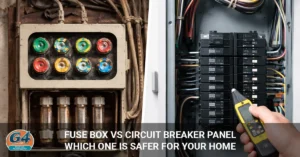
If your home still uses a fuse box, your electrical system is likely outdated. You can also learn the differences between fuse box vs circuit breaker panel to understand why many homes upgrade to modern breaker panels. Fuse boxes were designed for homes that used far less electricity.
Upgrading to a circuit breaker panel provides better protection and makes managing your electrical system easier.
5. You Are Installing New Appliances
Installing new appliances may require more electrical capacity than your current panel can provide. Equipment such as HVAC systems, electric ovens, dryers, and electric vehicle chargers increases power demand.
Upgrading the panel ensures these appliances operate safely.
6. Your Panel Is More Than 30 Years Old
An electrical panel that is over 30 years old may no longer meet modern safety standards. As panels age, breakers and internal parts can become less reliable.
Older panels may not provide enough protection for today’s electrical systems.
7. Rust, Corrosion, or Heat Around the Panel
Rust, corrosion, or heat around the panel can indicate moisture damage or internal electrical problems. These conditions can weaken connections and increase safety risks.
If you see these signs, the panel should be inspected by a professional electrician.
Why Upgrading Your Electrical Panel Is Important
Upgrading your electrical panel improves safety and ensures your home has enough power for modern electrical needs. An outdated panel may struggle to handle today’s appliances and electronics.
A modern electrical panel helps prevent overloaded circuits, which reduces the risk of overheating and electrical fires. It also provides better protection for your home’s wiring and electrical devices.
Upgrading the panel also allows your home to support modern appliances and systems such as HVAC units, large kitchen appliances, and electric vehicle chargers.
In addition, a newer panel makes it easier to identify and fix electrical problems. It helps deliver more stable and reliable power throughout your home.
How Electricians Determine If You Need a Panel Upgrade
Electricians determine if you need a panel upgrade by checking whether your current panel can safely handle your home’s electrical demand. A professional inspection helps identify safety risks and capacity issues.
During the inspection, electricians first measure the electrical load of the home. This shows how much electricity your appliances, lighting, and devices are using.
They also check the condition of the circuit breakers and wiring connections inside the panel. Worn breakers, loose connections, or signs of overheating can indicate that the panel is no longer working safely.
Finally, they evaluate the panel’s overall capacity to see if it can support your home’s electrical needs. If the demand is higher than the panel can safely handle, the electrician may recommend upgrading to a larger and safer electrical panel.
What Size Electrical Panel Do Modern Homes Need?
Most modern homes need a 150-amp or 200-amp electrical panel to safely handle everyday power use. This capacity allows the electrical system to run appliances, heating and cooling systems, lighting, and electronics without overloading the circuits.
Many electricians recommend installing a 200-amp panel because it provides more power and flexibility. A larger panel can support modern appliances and future upgrades such as electric vehicle chargers, home additions, or new electrical equipment.
Choosing the right panel size helps ensure your home’s electrical system runs safely and has enough capacity for current and future power needs.
Cost to Upgrade an Electrical Panel
Upgrading an electrical panel usually costs between $1,500 and $4,000, depending on the panel size and the amount of electrical work required. The total cost can vary based on your home’s electrical setup and installation complexity.
Several factors can affect the final price.
- Panel size and capacity: Larger panels cost more to install. For example, upgrading to a 200-amp panel may increase the cost because it supports a higher electrical demand.
- Electrical wiring upgrades: Some homes require wiring improvements to safely support the new panel. Updating older wiring can add to the cost but improves overall safety.
- Labor and installation work: Installation costs may increase if the panel location is difficult to access or if additional electrical work is required.
- Local permits and inspections: Electrical panel upgrades usually require permits and inspections, which can add to the total cost depending on local regulations.
Although the upgrade requires an investment, a modern electrical panel improves safety and ensures your home can support today’s electrical needs.
When to Call a Licensed Electrician
You should call a licensed electrician if you notice warning signs that your electrical panel may not be working safely. Electrical problems can quickly become serious if they are not inspected by a professional.
Common signs that require professional help include frequent breaker trips, burning smells near the panel, flickering lights, or sudden power issues in your home.
A licensed electrician can inspect the electrical panel, check the wiring and breakers, and identify potential safety hazards. After the inspection, they can recommend whether the panel needs repairs or a full upgrade.
Electrical panel work should always be handled by trained professionals to ensure the system meets safety codes and operates safely in your home.
Final Thoughts
Your electrical panel plays a key role in keeping your home’s electrical system safe and reliable. When a panel becomes outdated or overloaded, it may struggle to handle the power demands of modern appliances and devices.
Ignoring warning signs can lead to serious electrical problems. Issues like frequent breaker trips, flickering lights, or an old fuse box may indicate that your panel is no longer working safely.Upgrading your electrical panel can improve safety, support modern appliances, and provide stable power throughout your home. A professional inspection can help determine if an upgrade is the best step to keep your electrical system running safely for years to come.